

 June 2020 | Cora D'Alessandro
After nearly four months at home and limited interaction with the outside world, your child will likely protest separating from you on their first days back. This is normal and a healthy expression of their feelings.
For young children, separating from a loved one is considered a healthy stressor, not a traumatic one. We know that children are resilient to most stressors and that they look to adults about how to feel. That means that if you are feeling stressed about the separation, they are going to sense that stress and their own stress level will increase.
Prior to the first day, take note of how you are feeling.
Early childhood professionals recommend best practices to look for in your providers’ responses to young children’s strong emotions. These age appropriate approaches are helpful when used by both parents and providers:
Typically, these feelings pass rather quickly. Your child will see something or someone interesting or exciting and want to play. You may ask your childcare provider to keep you in the loop and plan a practical way they can let you know when the child has
recovered.
When a child is upset during a separation, it’s natural to want to comfort them or postpone the inevitable. This tends to be counterproductive. Young children are more successful at separating when the process is short and sweet. We encourage you to prepare your child for their new drop off routine in the days leading up to their return to school. Here are some examples of language you might use:
The past several months have been different for all of us, and children are no exception. The good news is that children are more capable than we sometimes recognize and you have the power to prepare your child in ways that will ease the transition.
Looking for More Support?
Questions? Email us at solutions@peaceathomeparenting.com
And now for the shameless plug…
Don’t have a Peace at Home Parenting Portal? Let’s fix that. Ask your company, school, or favorite neighborhood group to join us. We’ve got Corporate, K-12 School, and Family Service programs that bring calm to the chaos—no yoga mat required. Click here to join as an individual or family.

School starts in a few weeks, and if your house already sounds like this, you are not imagining that it has gotten worse. “Five more minutes” turns into fifteen...
August 17 , 2026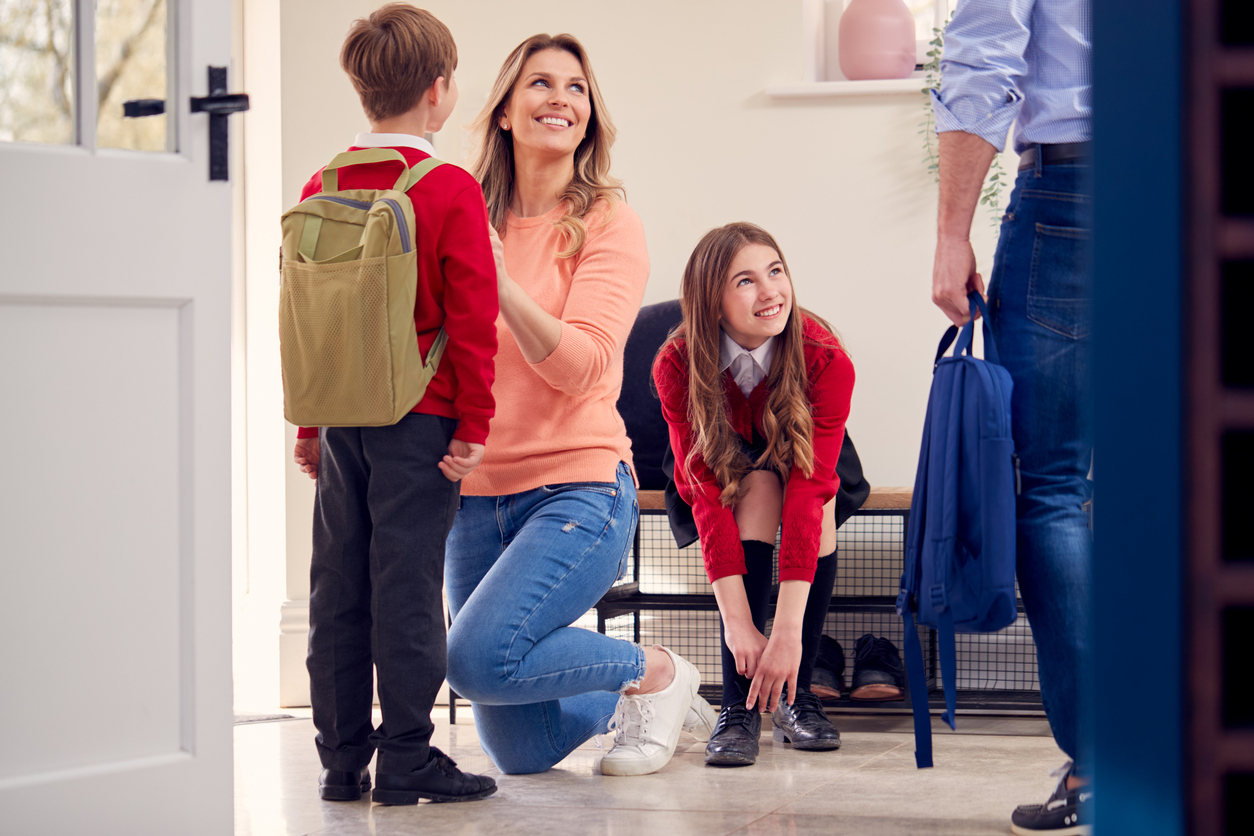
Quick Summary: If your child won't listen without yelling, it's often a connection problem, not a behavior problem. Try "collecting" your child before giving di...
August 11 , 2026
Quick Summary: Two new studies link higher screen time to weaker academic performance, working memory, and well-being in kids. Screens alone don't determine a c...
August 04 , 2026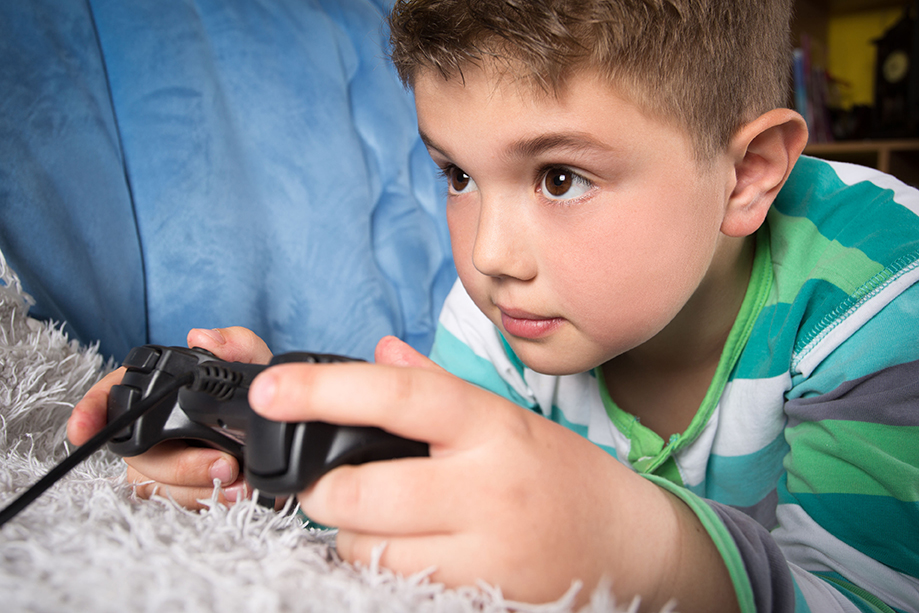
Quick Summary: Hours spent as the "director" of a virtual world flip the natural hierarchy kids need at home. When you ask them to step down and follow your lea...
July 21 , 2026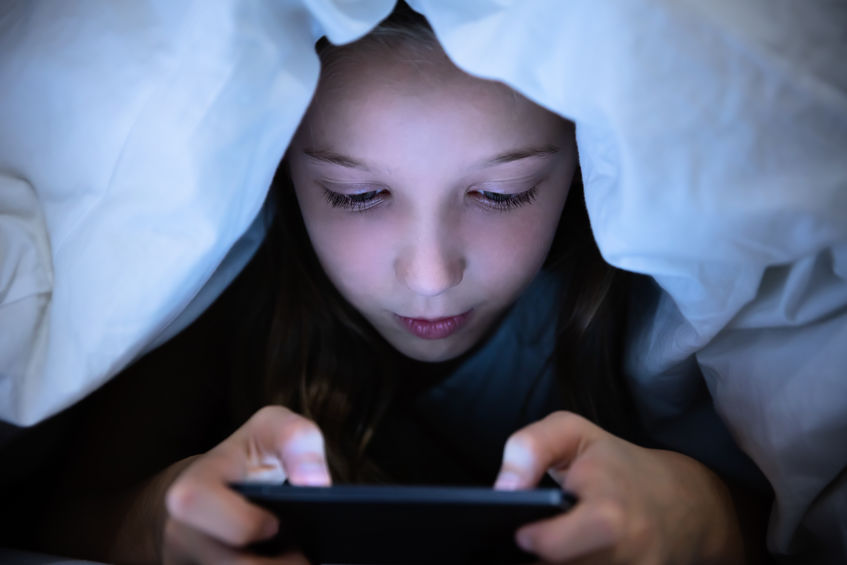
Quick Summary: Screens act as digital anesthesia, numbing loneliness, boredom, or rejection the moment a child feels it. But kids only build emotional resilienc...
July 21 , 2026
Quick Summary: When AI hands kids the final answer instantly, it skips the mental struggle that builds critical thinking, leaving them consumers of thoughts rat...
July 20 , 2026