
 August 2025 | Louise Edwards
Is your toddler or preschooler about to start childcare, preschool, or kindergarten? You might be noticing big feelings, short attention spans, or boundless energy—and wondering if they’re ready. If someone told you your child needs flashcards or workbooks, take a deep breath. The truth is: play-based learning is one of the most powerful ways to build kindergarten readiness.
Emotional Security Through Play
Play isn’t just fun—it’s how children feel safe and connected. Games like peek-a-boo or pretend play help toddlers build trust and confidence.
Independence & Problem-Solving Skills
Encourage autonomy by letting your child pick between two outfits or pack their own bag. Open-ended play—like building with blocks or pretending to cook—fosters independence and curiosity.
Social and Emotional Growth
Turn-taking games and role-play with toys help kids develop empathy, cooperation, and communication—all key school readiness skills.
Starting preschool or kindergarten can be exciting but challenging. Here’s how to make it smoother:
Manage Your Own Emotions
Children take cues from you. If you feel worried or guilty, acknowledge those feelings and seek support from friends, family, or parent communities.
Build Trust with Teachers and Caregivers
Remember: teachers have guided countless children through this stage. Trusting them helps your child feel secure.
Create Predictable Routines
Kids thrive on consistency. Set clear morning routines: wake up, choose clothes, eat breakfast, pack the bag, and head out together.
Practice Separation in Advance
Visit your child’s classroom before the first day. Take pictures of teachers or play areas to review at home so your child feels familiar with their new environment.
Make Goodbyes Simple and Clear
Two goodbyes are harder than one. Keep farewells quick, confident, and predictable—hold hands, put belongings away, and say, “See you later!”
These activities help children develop the emotional security and social skills they need to thrive in school—without flashcards or formal lessons.
Listen in on Peace At Home Parenting founder Ruth E. Freeman, LCSW, as she talks with child development experts JoAnn Robinson, PhD, and Cora Megan, MA, about practical ways to prepare toddlers and preschoolers for childcare and school—through play, connection, and routines.
After this discussion, you’ll learn how to:
Questions? Email us at solutions@peaceathomeparenting.com
And now for the shameless plug…
Don’t have a Peace at Home Parenting Portal? Let’s fix that. Ask your company, school, or favorite neighborhood group to join us. We’ve got Corporate, K-12 School, and Family Service programs that bring calm to the chaos—no yoga mat required. Click here to join as an individual or family.
School starts in a few weeks, and if your house already sounds like this, you are not imagining that it has gotten worse. “Five more minutes” turns into fifteen...
August 17 , 2026
Quick Summary: If your child won't listen without yelling, it's often a connection problem, not a behavior problem. Try "collecting" your child before giving di...
August 11 , 2026
Quick Summary: Two new studies link higher screen time to weaker academic performance, working memory, and well-being in kids. Screens alone don't determine a c...
August 04 , 2026
Quick Summary: Hours spent as the "director" of a virtual world flip the natural hierarchy kids need at home. When you ask them to step down and follow your lea...
July 21 , 2026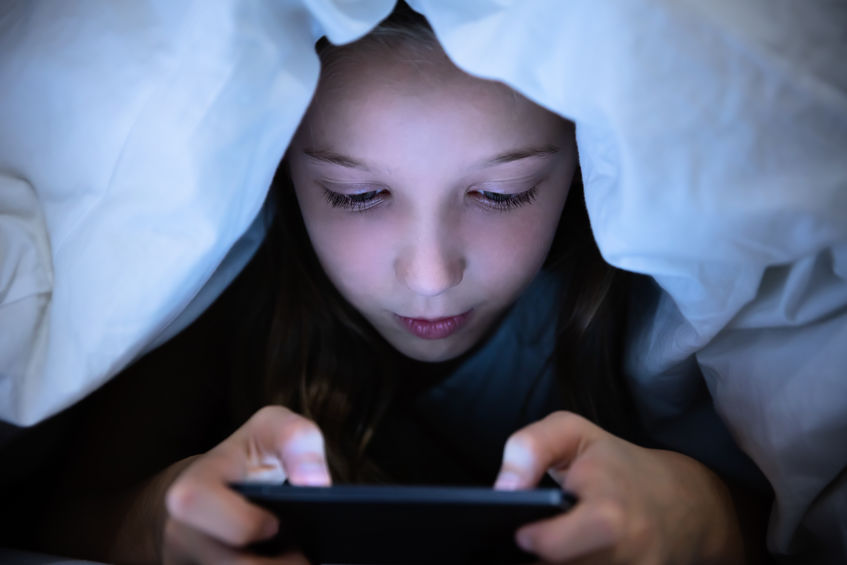
Quick Summary: Screens act as digital anesthesia, numbing loneliness, boredom, or rejection the moment a child feels it. But kids only build emotional resilienc...
July 21 , 2026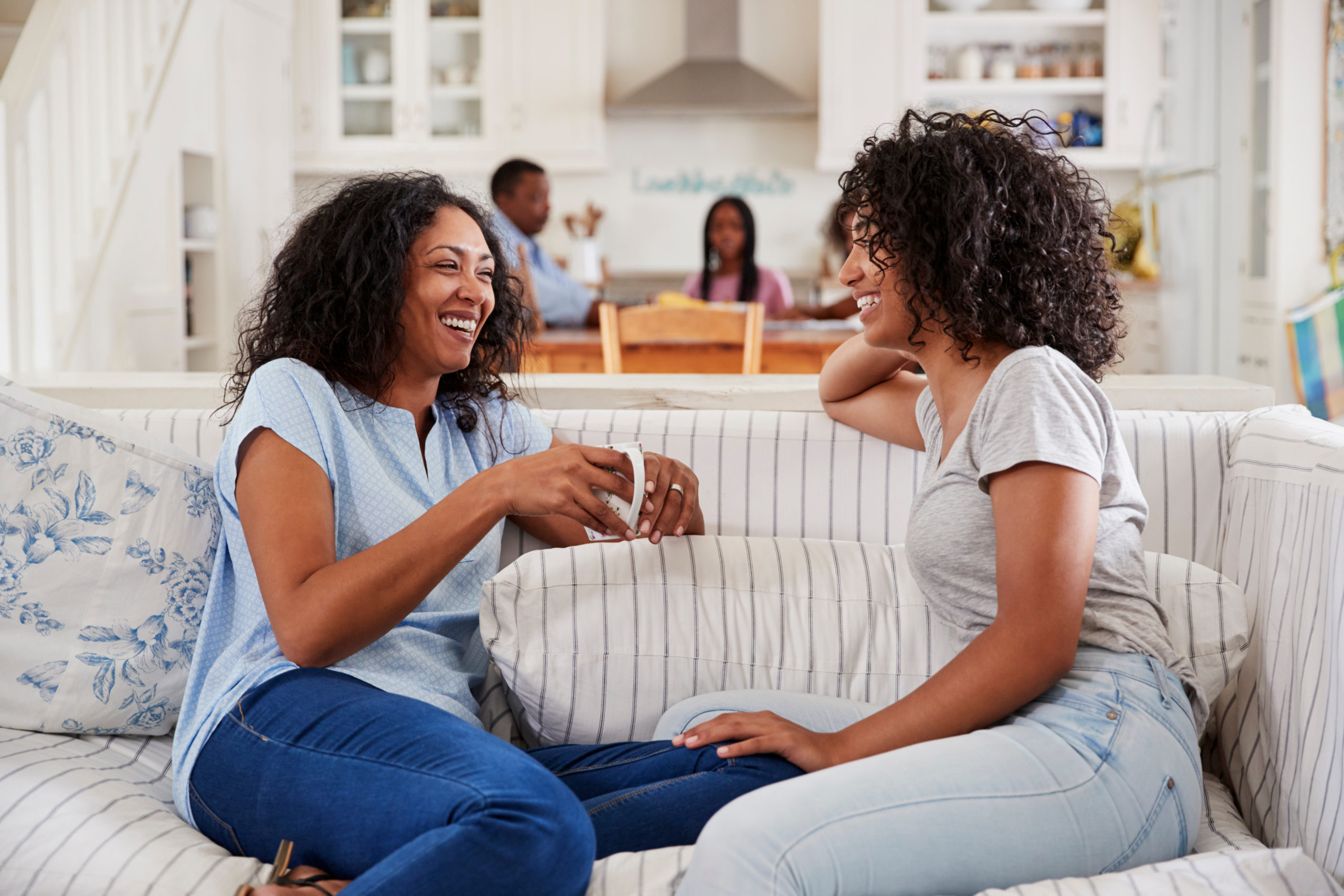
Quick Summary: When AI hands kids the final answer instantly, it skips the mental struggle that builds critical thinking, leaving them consumers of thoughts rat...
July 20 , 2026