

 February 2026 | Aaron Weintraub
It’s 7:45 PM. You’ve read the stories, tucked the covers in just right, and offered that final sip of water. But as you turn toward the door, you hear it—the first “I’m not tired,” a sudden request for a snack, or tears that seem to come out of nowhere.
If bedtime feels like a nightly negotiation or a full-blown battle, take a deep breath and know you aren’t alone. You aren’t doing anything wrong, and your child isn’t “being bad.” That good kid you know is in there is simply having a hard time.
We often look at bedtime as a logistics problem: we just need them to stay in bed and close their eyes. But for a child, bedtime is the ultimate moment of separation. It’s the longest stretch of the day where they aren’t connected to you.
When a toddler stalls or a school-aged child suddenly has a “tummy ache” at 8:00 PM, their behavior is a form of communication. They might be saying, “I’m feeling overstimulated from the day,” or “I don’t feel ready to let go of you yet.” Even things like late-night screen time or homework stress can make their internal systems feel too “loud” to settle down.
Our job in these moments isn’t to be a drill sergeant; it’s to be our child’s calm center. When we stay steady and compassionate, we show them that they are safe, even in the dark.
The secret to a smoother night isn’t usually a stricter reward chart; it’s about connecting before you correct. Before you insist they get back under the covers, try to spend five minutes just being with them. No phones, no talk of tomorrow’s schedule—just pure connection. This helps refill their “relational tank” so they feel secure enough to fall asleep.
However, even with the best intentions, sleep remains one of the most exhausting hurdles for many families. Whether you’re navigating night terrors, middle-of-the-night wakeups, or the transition away from naps, having a roadmap makes all the difference.
Because we know how much a good night’s sleep matters for the whole family’s well-being, we are so excited to invite you to a live, interactive workshop with Lisa Meltzer, PhD. Dr. Meltzer will help us take the stress out of the evening hours by offering practical, evidence-based strategies tailored to your child’s developmental stage. We’ll be diving deep into:
Remember, the goal isn’t just a quiet house—it’s a child who feels safe and a parent who feels confident. By mending the connection during these tough evening moments, you’re building a foundation of trust that lasts far beyond childhood.
Watch Here. as Lisa Meltzer, PhD hosts Solving Sleep Struggles: Practical Tools for Kids Ages 2-10. During this workshop, Lisa takes the stress out of bedtime and helps you better understand your child’s sleep. You’ll learn what healthy sleep really looks like, what might be getting in the way of restful nights, and how to create routines that work for your family Questions? Solutions@Peaceathomeparenting.com
Questions? Email us at solutions@peaceathomeparenting.com
And now for the shameless plug…Don’t have a Peace at Home Parenting Portal? Let’s fix that. Ask your company, school, or favorite neighborhood group to join us. Learn more about Peace at Home Parenting Solutions. We have subscriptions for Corporations, K-12 Schools, and Family Service Organizations. Peace at Home brings calm to the chaos of parenting.
You can also join as an individual or family.

You've said it to your kid a hundred times: "Okay, five more minutes." You've said it to yourself, too, right before your phone somehow ate half an hour you did...
August 26 , 2026
School starts in a few weeks, and if your house already sounds like this, you are not imagining that it has gotten worse. “Five more minutes” turns into fifteen...
August 17 , 2026
Quick Summary: If your child won't listen without yelling, it's often a connection problem, not a behavior problem. Try "collecting" your child before giving di...
August 11 , 2026
Quick Summary: Two new studies link higher screen time to weaker academic performance, working memory, and well-being in kids. Screens alone don't determine a c...
August 04 , 2026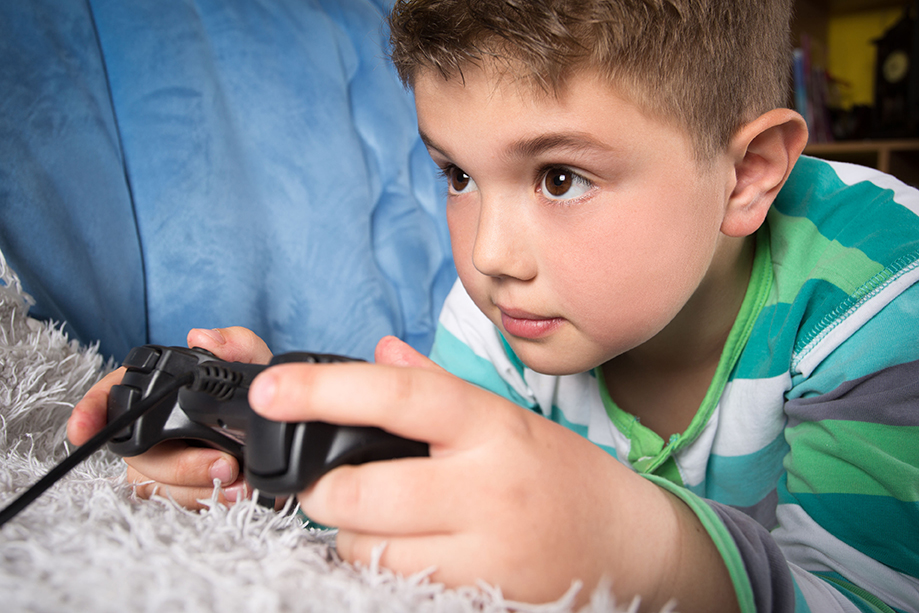
Quick Summary: Hours spent as the "director" of a virtual world flip the natural hierarchy kids need at home. When you ask them to step down and follow your lea...
July 21 , 2026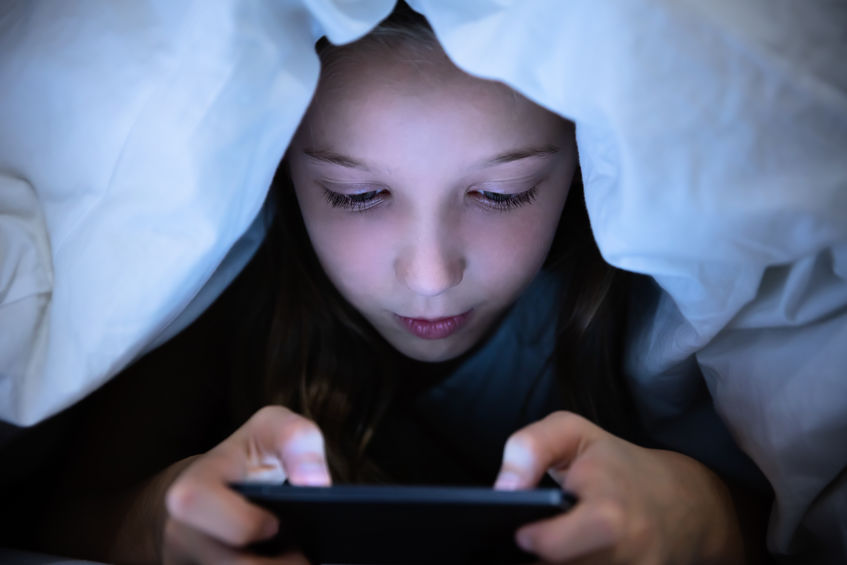
Quick Summary: Screens act as digital anesthesia, numbing loneliness, boredom, or rejection the moment a child feels it. But kids only build emotional resilienc...
July 21 , 2026