
 June 2025 | Louise Edwards
The world might feel especially heavy right now and for some of us, it’s always like that. If you identify as LGBTQIA+ or love someone who does, the weight of intolerance, discrimination, and misunderstanding can feel relentless.
As a parent, you may be struggling to know what to do or how to show support for your kids or others in your world. Let’s be honest, you may at times feel a bit awkward. So until the day comes when our kids don’t have to “come out” to us at all, because what does it matter …. or announcing they are “straight” carries the same weight as any other orientation or identity – how do you show up? With your kind, connected presence.
And what is that exactly?
One of the most powerful tools we have is listening — real, curious, humble listening. When a child or friend opens up about their identity, they’re sharing something sacred. Our job isn’t to rush in with solutions or questions that satisfy our own confusion or show them our worries. Our most helpful task is to hold space. Ask: “How can I support you?” or “What do you want me to understand about you?” If you’re confused, you might say, “Help me understand that.” or “Tell me more.” These phrases show love. Even if we fumble, sincerity and willingness to try again matter more than flawless execution.
One of the biggest fears many LGBTQIA+ youth face is not being loved if they reveal their truth. That fear isn’t abstract — it’s rooted in stories they’ve heard, people they’ve seen rejected, and the silence they’ve endured. Saying “I love you exactly as you are” out loud, even (especially) if you’re feeling overwhelmed, is a lifeline. These aren’t just comforting words — they are protective, reducing the risks of depression, anxiety, and self-harm.
Pronouns. New names. Gender expression. For many of us, it’s a new language. And that’s okay. What matters is that we show we’re learning. Use the name and pronouns someone shares. If you make a mistake, apologize, correct yourself, and move on. The discomfort of making a mistake and learning is nothing compared to the pain of being unseen.
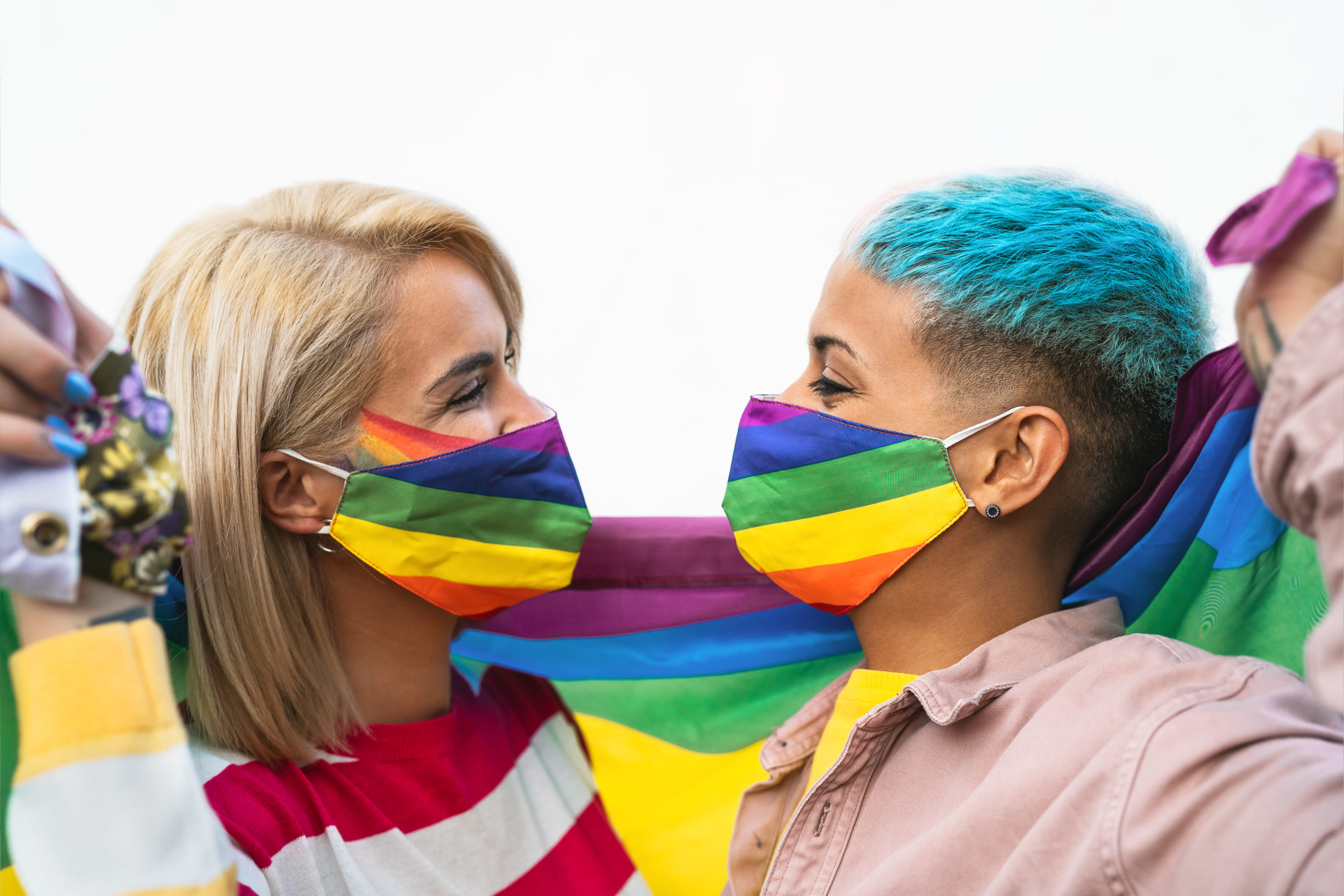
From a rainbow sticker on your laptop to a bookshelf filled with inclusive stories, visible signs of acceptance tell others: “You are safe here.” Speak up when you hear harmful language. Celebrate Pride all year, not just in June. And if you’re a parent, model inclusion not only in what you say, but in what you do. Representation matters — in your home, your conversations, and your relationships.
We don’t have to know everything. We just have to keep showing up — with compassion, curiosity, and courage. Whether it’s donating to advocacy groups, attending a workshop, or simply starting a conversation with your child about a character in a TV show, your actions matter. Allyship is not a title; it’s a verb.
So let’s keep showing up — even when it’s hard, especially when it’s hard. Because love that’s brave, humble, and kind? That’s the kind of love that changes lives.
Looking for More Support?
Questions? Email us at solutions@peaceathomeparenting.com
And now for the shameless plug…
Don’t have a Peace at Home Parenting Portal? Let’s fix that. Ask your company, school, or favorite neighborhood group to join us. We’ve got Corporate, K-12 School, and Family Service programs that bring calm to the chaos—no yoga mat required. Click here to join as an individual or family.

You've said it to your kid a hundred times: "Okay, five more minutes." You've said it to yourself, too, right before your phone somehow ate half an hour you did...
August 26 , 2026
The dorm room is unpacked. The last drive home from campus was quiet in a way that had nothing to do with traffic. And now, days or weeks later, the calls have...
August 26 , 2026
School starts in a few weeks, and if your house already sounds like this, you are not imagining that it has gotten worse. “Five more minutes” turns into fifteen...
August 17 , 2026
Every parent hears the same advice the moment their child turns twelve or thirteen: step back, push them out of the nest, and force them to stand on their own t...
August 17 , 2026
Quick Summary: If your child won't listen without yelling, it's often a connection problem, not a behavior problem. Try "collecting" your child before giving di...
August 11 , 2026
Quick Summary: Two new studies link higher screen time to weaker academic performance, working memory, and well-being in kids. Screens alone don't determine a c...
August 04 , 2026